An Extra Set of Eyes in the Sky: How Data Helps Stay Ahead of Turf Stress
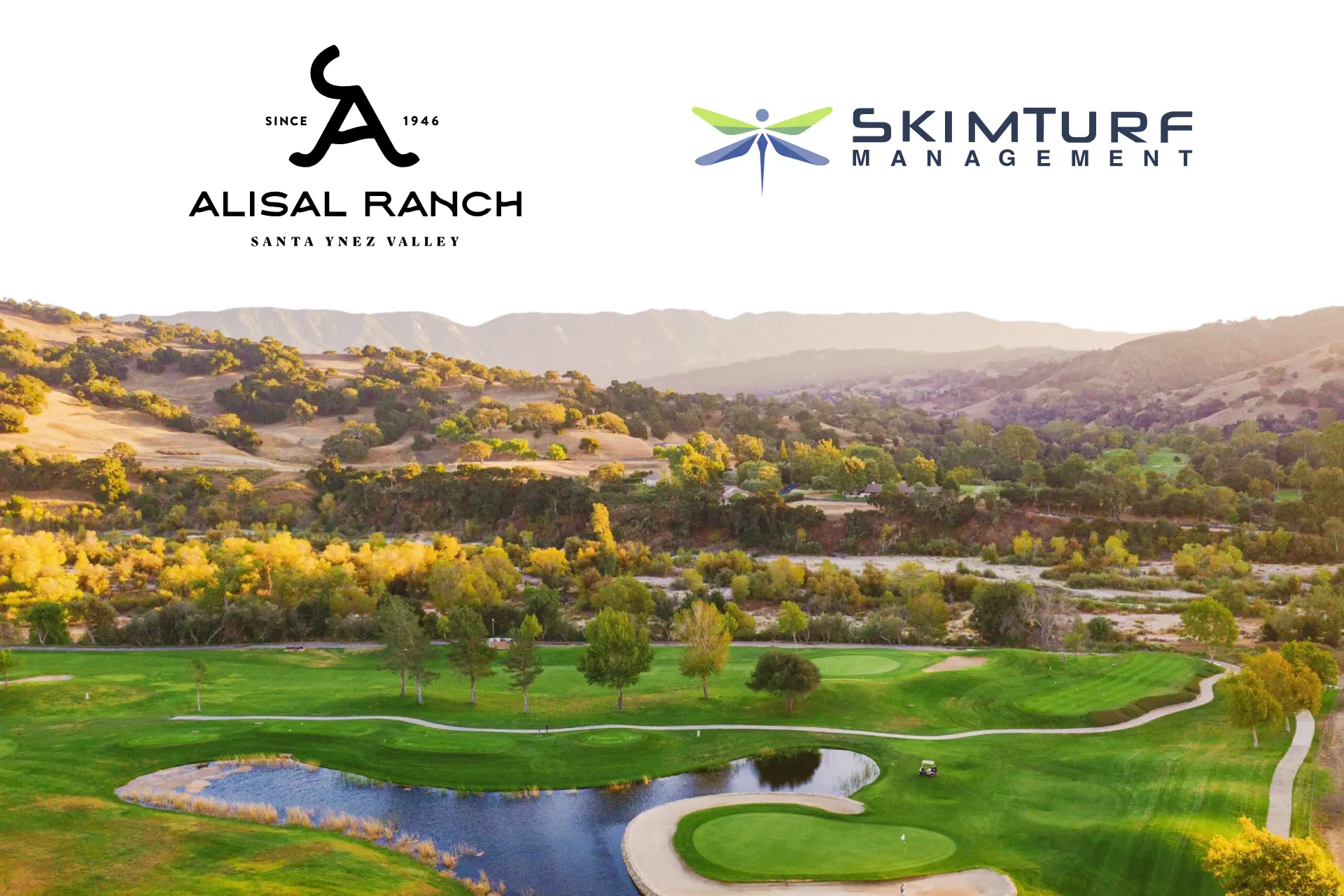
"As golf course superintendents, we all share similar challenges: delivering exceptional playing conditions while balancing labor constraints, resource availability, and increasing regulatory requirements. At Alisal Ranch in Solvang, California, those realities are part of my everyday responsibilities. As Executive Director of Agronomy, I oversee two golf courses, and finding practical ways to make better decisions with the resources available has become more important than ever. Like many facilities, we are constantly looking for tools that help us work smarter without adding complexity to our daily operations. The goal isn't simply to collect more data. It's to have information that helps us act with greater confidence."
Elliot Weber, Executive Director of Agronomy, Alisal Ranch, California
Using SkimTurf™ for Data-Driven Turf Management
"That was one of the main reasons I decided to implement SkimTurf™ Management. I wanted one place where I could quickly evaluate irrigation needs, fertility requirements, and developing problem areas across both courses. Having objective information readily available has allowed us to base decisions on what the turf is telling us instead of relying solely on visual observations or assumptions. It has also helped us plan ahead rather than simply reacting when issues become visible."

Improving Irrigation and Fertility Decisions with Satellite Data
"The platform has naturally become part of my daily routine. Each morning, one of the first things I do is compare our irrigation system with SkimTurf's soil moisture readings on the entire golf course map. That simple process immediately highlights areas that are drying faster than expected, allowing us to activate sprinklers or hand-water before localized dry spots develop. Just as importantly, the intuitive data-visualizations on the map help identify irrigation inconsistencies. If a sprinkler is underperforming, the data often reveals the pattern before the turf begins to lose color, giving us an opportunity to investigate and correct the issue early. Beyond irrigation, I regularly use the historical graphing tools to monitor how long fertilizer applications continue delivering results. Tracking these trends has improved the timing of our fertility programs and allows us to compare performance from one season to the next when planning future applications. Having that historical perspective provides another layer of confidence when making agronomic decisions."
Better Moisture Management and More Consistent Playing Conditions
"The most noticeable result has been better moisture management. We've significantly reduced localized dry spots while maintaining firmer, drier playing conditions. At the same time, the data has helped us identify areas receiving more water than necessary, allowing us to fine-tune irrigation and find the balance each section of the golf course actually needs. That level of precision benefits both turf quality and resource management.
Looking ahead, I see aerial monitoring becoming an even more valuable planning tool. We're already using historical data to support future fertility and irrigation budgets, and I expect those long-term trends will continue improving how we allocate water while delivering the consistent playing conditions our golfers expect. Technology doesn’t replace experience, but having an extra set of eyes in the sky helps us make better decisions every day."